Episode Transcript
[00:00:00] Speaker A: Any sort of art is political, in my opinion.
And when these people say, oh, you are an artist. Stay in your lane, they are ignoring the fact that we historically have been involved in politics and we've been shaping politics. And I think that they are afraid of us. You know, they're not afraid of what I say. They're not afraid of what I'm saying to you right now in this microphone, though it might bother them. They're afraid of what we do with our films, with our music, you know, with our poetry, because art is revolutionary.
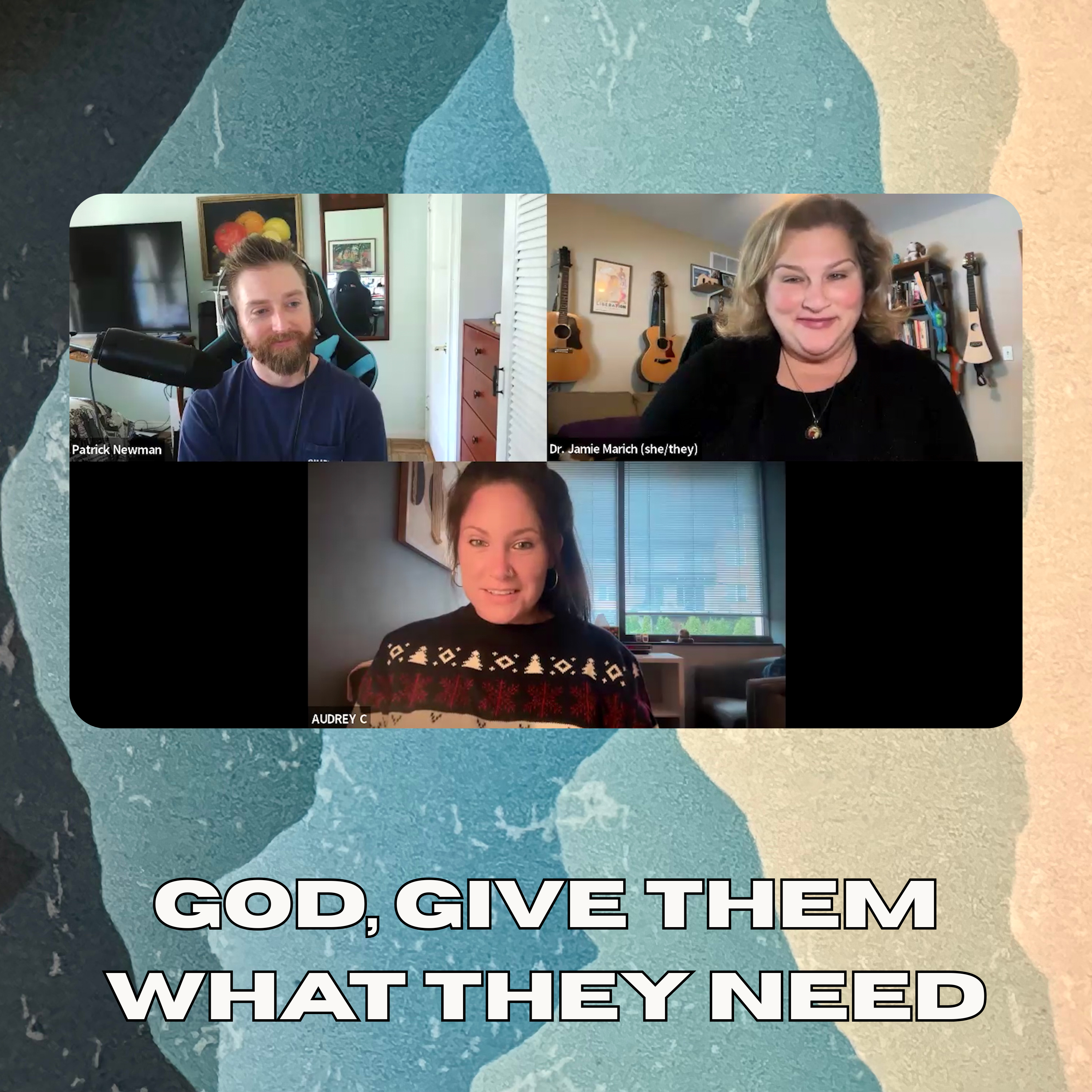
[00:00:40] Speaker B: Welcome to Outside Issues with Audrey and Patrick.
We did an episode on Eddington, which
[00:00:47] Speaker C: is probably my favorite movie last year. I love that movie.
[00:00:50] Speaker B: Was it okay? Did you like. Did you like it better than One Battle After Another?
[00:00:56] Speaker C: I mean, you know, I feel I saw One Battle after another more. I think I saw it, like, three times.
I can't say that I liked it. I feel like One Battle was more enjoyable. But Eddington just, you know, I feel like there's so few movies that feel like they accurately represent the political moment that we're in. I appreciated it for that reason.
[00:01:16] Speaker B: When I finished Eddington, I felt like shit. So I was like, wow, that was right on the money.
[00:01:23] Speaker C: Totally.
[00:01:24] Speaker D: So, Anna, it's so nice to meet you. So thank you for coming on here. Patrick and I, we kind of talk about the intersection of politics and mental health and substance use. And so I was just kind of wondering. I read some of your content, which was just amazing. And I used to have a blog about 15 years ago through WordPress.
[00:01:46] Speaker C: Nice.
[00:01:47] Speaker D: That. That's a relic.
And it was called Politidates, because I'm from. I'm from SoCal, and sometimes I have that Valley girl accent.
[00:01:59] Speaker C: Like, no.
Oh, my God.
[00:02:03] Speaker D: So I kind of, like. I kind of wrote like that, but I just thought that your whimsy in there was just so amazing. And what I really enjoyed was how you incorporated, like, your own story into, you know, the political climate and political actions that you've done. So in your struggles, like, what was that like? And how did you overcome it? And, you know, what's it like now for you?
[00:02:32] Speaker C: Gosh, that's a big question. Well, thank you so much for having me. I'm so happy to be here. For me, a lot of my mental health and substance abuse issues were kind of inextricably tied up in my political obsession because, you know, I. I grew up in D.C. i went to school and studied politics. I started working in politics. And I think that, you know, I grew up in an evangelical family. And I became an atheist when I was 17, but I think I inherited a very like evangelical bench. Like I'm that type of person. And so I made politics kind of my religion. And I got very like, you know, unhealthily kind of obsessed with politics in my twenties and particularly with this sort of crusade around election Bernie Sanders and really feeling like, you know, the world was gonna end basically if we didn't elect Bernie, which, you know, I mean, I think it would have been better. Things have not gotten, you know, things certainly have have not gotten better since 2020 when that dream died. And there were a lot of other reasons for my kind of substance abuse challenges and my worst sitting mental health in my 20s that were not about politics that, you know, I can talk about, but definitely, you know, kind of an unhealthy obsession and, and focus on politics to the detriment of me focusing on, you know, my own kind of mental health and my own life and, and sort of anything outside of that was a huge part of what kind of drove me into a spiral of really intense, you know, suicidal ideation and really severe substance abuse in my late 20s. And like I said, there was a lot of other factors. It wasn't just about like reading the news too much, but definitely like I made myself a little bit insane by like reading too much news and, and, and getting too kind of black pilled about it. What I have written about and what I've talked about in terms of kind of what helped me get out of that was, you know, again, just like politics wasn't the only thing that got me to that place, it wasn't the only, you know, thing that got me out of there, but a big piece of kind of, I think the beginning of my journey to where I am now, which is very much, you know, still politically conscious, I still work in politics, but very much at peace was a recognition that obsessing over the state of the world was not really what am I getting from that? Can I do anything about it? You know, I'm trying to do something about it and I'm feeling a lot of self loathing and a lot of anger and anxiety because I feel like I'm not. But ultimately I think it, it was just coming to a place of, of letting go and acceptance and realizing that, you know, I cannot control who's in the White House. You know, I can't control the fact that we have climate change or the fact that fascism is on the march, blah, blah, blah. I can try to do things to you know, mitigate those harms. But ultimately the only thing I really have control over is my own emotions and my own actions. And it was really, I think, taking responsibility for my own life and recognizing that that was the only thing that I really had power over. That was kind of. Yeah, the beginning of, of getting to, to where I'm at now was the acceptance. And, you know, I read a lot of Buddhism in that time and a lot of kind of classic philosophy and spent quite a while wandering in the spiritual wilderness, I guess, sort of thinking through all that stuff. Ultimately, it's a matter of, of perspective for me, what I choose to focus on. You know, I stopped focusing so much on the fucked up state. Can I curse on here? Sorry. On the screwed up state of the world.
Please welcome it, please. And yeah, so stop focusing so much on the fucked up state of the world and you know, and started focusing more on. On myself.
[00:06:15] Speaker B: You just made me think of this Arthur Miller quote I saw at my client's house the other day. It's great. Playwrights, regardless of nationality or era, share a fierce and unquenchable moral sensibility. They are all driven by anger at the state of the world, unlike lesser artists who have reconciled with it. So I like that you're not less pissed off, but you move that pissed offness around and you've done some constructive things with it. So that's kind of the mission, right?
[00:06:44] Speaker C: Yeah, definitely. I think so. I mean, it's kind of funny because I think there's a lot of different perspectives among artists. Like, you know, this is an age old kind of argument among artists about, like, do you need to be, you know, damaged to make great art or do you have to be motivated by anger or et cetera, et cetera. And I think for me, like, maybe when I was younger, I sort of agreed with those sentiments. I think now that I feel like the way I think about is sort of like the Orson Welles thing where he talks about poverty. You know, he's like, fuck you. Poverty doesn't make you a better artist. That's kind of how I feel about like, anger. And B, it's like you don't need that to make art. But at the same time, you know, I think that a certain level of righteous indignation is certainly very much something that I'll never, you know, let go of. And something that I think can be healthy and important and motivating to want to, you know, do something about whatever it is that's making you righteously indignant. And if you don't feel a certain level of righteous anger in this world. I think you're not paying attention.
[00:07:40] Speaker D: I fully agree. And as a clinical social worker, I work with folks who have a range of emotions, you know, and, and anger is always valid. And I think in the state of the world, I have a lot of folks that I see who are, you know, continuously feeling angry about the state of the world, and they're always sort of, you know, questioning what to do or how to feel. And I really like the fact that you, you know, validate anger and put it into a bucket. That could be helpful because a lot of folks don't know what to do with that. So that sounds amazing to me, that philosophy.
[00:08:24] Speaker C: Well, thanks. I think that, I think it's an important distinction for me to make, though, that I really do think that I was very angry when I was young. Like, I think that was a very angry person for most of my life. And I would not consider myself an angry person anymore, even though I think that I do maintain, you know, a bucket, like you said, of kind of righteous indignation at the state of the world.
In my opinion, angry people, people who are angry more often than not, are often angriest at themselves.
And I think that anger is generally a toxic emotion. I try to focus on emotions that are serving me in some way or another, you know, like, even if you're. Because I, In a related way, I struggled really deeply and profoundly with self loathing for. For most of my life, I really hated myself viciously. And part of what kind of helped me get away from that was realizing, like, you know what, Even if all the reasons that I hate myself are legitimate, like, even if I'm correct, what is this doing for me? Like, is this making me, is it making me better? Is, am I, like, punishing myself into submission and changing the things about myself that I like, I don't like. No.
And I think that's kind of a similar thing with anger. It's like, even if your anger is valid, if all your anger is doing is kind of chewing you up inside and preventing you from having gratitude and having perspective and, you know, finding joy in silly things in life, then I think that's not helpful. So I do think that, you know, it's an important distinction to me. It can be valuable, but you've got to be careful with how much you let yourself sort of soak in it.
[00:09:54] Speaker D: Oh, a hundred percent. And I think also the emotions of fear and sadness, you know, as well as, as how valid they are, they can become Toxic.
[00:10:03] Speaker B: You reposted the other day, Anna, about romanticism versus reason or rationality. And I read that, and it blew me away. And I think that attitude or mentality undergirds your work. Like all the people that I admire the most, you know, like when I hear Cornel west talk about politics and about struggle and liberation, you know, it's all very rooted in love. We can't be too far away from that. If we're. We. If we are too far away from that, even if, you know, we're. We're raging against all the right things, you know, then there's something's out of balance. That's the work, right, Is to kind of synthesize that righteous indignation into something loving and constructive and, you know, solidaristic with the things about us that we really care about.
[00:10:51] Speaker C: Totally. Yeah, A hundred percent. I mean, my basic philosophy is that, you know, love really is the most important thing in the universe. It's funny that you mentioned that, because actually I was thinking about going to see a documentary on James Baldwin this afternoon, which I haven't seen, but he might be my favorite author, honestly. And I think that my sort of philosophy on life and I think what comes through in my art is generally like, you know, it's very important not to turn away from the ugliness and the evil in the world.
I think one thing that challenges me about my parents religion, to be honest, is that I think a lot of it's very much just like, don't want to look at it, don't see it, don't acknowledge it when it comes to so much of kind of the ugliness of the world that we live in.
Because it's just this, you know, it's a Christian bubble is kind of how I think about it with my parents and. And I feel like it's important to, you know, to look at and to acknowledge whether it's, you know, it's racism or fascism that's happening right now or any other, you know, kind of evil in the world. It's important to understand and to grapple with those things and to look them in the face, but also to recognize that ultimately the only way out is through. And I think it's through love.
And, you know, I think that's what James Baldwin is really probably the reason that he's my, you know, if not one of my favorite authors, because, you know, he wrote about his experiences as. As. As a black man and a gay man in, you know, the middle of the 20th century.
So unflinchingly and so devastatingly. But his whole deal was kind of like, I'm still going to, you know, love people anyway.
And I think romanticism, to me, I mean. Yeah. That article also really blew my mind. It is such an important act of rebellion in this moment when so many powerful forces in this country, in the world, are conspiring to basically make it seem like being human is like a waste of, you know, energy resources. You know, like they just. They want to feed us into the wood chipper and they're eugenicists, you know, like all these Silicon Valley people, like, they really do. They. They violently hate humanity as a concept.
[00:12:55] Speaker B: Do you think it's because they hate themselves?
[00:12:57] Speaker C: Yeah, it's because they're like virginal losers who want to be artists and they can't because they're cringe and lame.
I mean, I really do think that's true. I think it's like they don't, you know, a lot of them, they don't know how to talk to women. They don't have social skills. They're not cool, but they're, you know, they've become cool within their, like, little cult among each other. And they look up to people like Elon Musk, who, to anyone who actually is cool, is like, you know, the most pathetic loser on the planet.
[00:13:25] Speaker B: Yeah. Even, even, even Epstein didn't want to hang out with them.
[00:13:28] Speaker C: I know. I'm like, it's so obvious to look, to be someone who admires Elon Musk is such a sad thing to me. I shouldn't be so harsh on, like, you know, the normal people in that category because there is like a cult around him. But the leadership of Silicon Valley, it's. Yeah, they're just losers, but they have a ton of access to capital and they've managed to convince, you know, has huge sectors of the economy apparently, that they are like the God emperors that should determine the fate of the future, which makes them feel really cool because they, you know, drive expensive cars and live in big houses. I guess.
Yes. I think it's because they're lame and they don't know how to be at parties.
[00:14:06] Speaker B: Yeah, well, you know, I'm. I'm just claiming some ignorance here. So I, I didn't realize James Baldwin was gay until maybe like a year ago or something. I just thought. I just thought he was this brilliant author and I read if Beale Street Could Talk when I was in school. Yeah. But then that kind of added to my, my respect of him because, wow, he was able to assert himself, you know, for so long, you know, despite these identity aspects that have been like, under siege for as long as I've been alive and longer than that. Yeah, it's crazy.
[00:14:39] Speaker C: Yeah, it's hard. I mean, that's what that is so crazy about him. It's like, not only was he a black man, you know, born in, I think, the 20s maybe or a little bit earlier, but also to be gay and then to just be like, I don't go, fuck, I'm gonna talk about it. I'm writing about it. Fuck you is like at that point in time when it literally could, you know, could get you killed, like, very easily. Talking about anger being valid, you know, I read the autobiography, Autobiography of Malcolm X a couple of years ago and, you know, I think the predominant feeling that comes through in that writing is, is one of, of righteous anger. It's extremely valid and so it couldn't possibly be more valid. And it's hard not to feel it when you read it. It's always kind of a sad contrast to me when reading the work of James Baldwin, which I think is infused with a lot more love. Yeah, I don't know where I was
[00:15:23] Speaker B: going with that point, but it landed for me. Yeah.
So, okay, I wanted to ask, I noticed you're off the nicotine. You working on that?
[00:15:32] Speaker C: Yes. Yeah, I'm trying.
[00:15:34] Speaker D: I am not.
[00:15:35] Speaker C: Yeah, I, I, I did. I, I vaped a little bit yesterday because I was with my friend and we saw a movie. But yeah, you know, I mean, I was smoking like a pack and over a pack a day for like over 10 years. And then I switched to vaping like two or three years ago. And I had a couple of like, tachycardia incidents in the past couple months were just like really sustained, like super rapid heartbeat. And I feel like if I died of like, lung cancer from smoking so much, I would be like, well, that's what happens. Too bad. But if I died of like a heart attack from vaping in my 30s, I would be so mortified that I feel like it's too embarrassing, it's too cringe. And unfortunately I don't have any chill when it comes to my addictive habits. I'm trying to. Like, last night I was kind of like exposure therapy a little bit because I do feel like I'm always going to be a person who wants to have like a drunk cigarette at a party. But yeah, the struggle is real. It feels like my last really big sort of addiction to conquer or whatever.
[00:16:35] Speaker B: So I'm 12 step and Audrey is as well, we've walked over Kohl's in different ways to kind of, like, be sitting here and reasonably sane. So what did that look like for you? Like, what was your program? Or, like, you know, how did you kind of, like, kind of evolve beyond where you were for that dark time you were talking about?
[00:16:59] Speaker C: Yeah, that's a great question. I mean, I feel like I've kind of done a little bit of everything. You know, I was lucky, in a sense, that when I really hit rock bottom, it was the pandemic. And so I. And I took, like, over a year off work, and I was able to kind of, you know, live basically no rent in a foreign country and live off my savings, whatever. So I had some time to kind of just like, hibernate and, you know, lick my wounds and try to get sober and what have you. But it's, you know, it's a very long, complex, circuitous process. I mean, I think the whole thing where it's progress isn't linear is very true. Gosh, you know, when I was really in the shit, I mean, I did various therapies. I was in an intensive outpatient program for a little while, which is sort of like a step below going to, like, a psych ward. It's like 30 hours a week of group therapy. I did that for maybe six weeks.
Did lots of different types of therapy.
I took antipsychotics for about a year. I found that SSRIs did not really work for me when I was having really severe suicidal ideation. So I did an antipsychotic for a year. That really helped.
And then, you know, all that kind of stuff when I was really spiraling out helped kind of stabilize me. And now I don't take any psychiatric medications and I'm not in therapy.
But, you know, from getting to that point to here, was. Was a long road. So I think, you know, starting with the really kind of all the stuff I just mentioned. And then in that time when I was really, you know, basically just focusing on, like, I gotta get better thinking and introspecting about kind of what in my life had gotten me to the, you know, the bottom of the well, so to speak, and. And, you know, asking myself a lot of big questions about, like, who am I? What's the purpose of my life? What, you know, blah, blah, blah, all the big, you know, existential stuff. Worked through a lot of those things. Just in the process of kind of therapy and thinking about it and wandering, you know, through nature, you know, I started journaling. That was a Huge thing for me. I had a life coach briefly who asked me to write my eulogy.
He was like, you know, if you, this might be too dark for you. And I was like, no, I love that shit. He was like, think about what you someone to say your funeral. And I was like, you know, I like to look back from any goal. I like to look from like the ultimate end of the goal back to the sort of steps. And so, you know, thinking about what I want my life to be like, that helped me, you know, kind of anchor myself around how I was trying to grow and develop. And this is a very long winding answer. But basically it was like a million things, you know, it was, it was all the kind of basic therapy stuff to stabilize myself and then journaling and then, you know, getting sober and spending time in nature and kind of, you know, reintroducing myself to the social world. And I read a lot of, you know, like I said, sort of religious text and classic philosophy. I did do a 12 step program briefly for a couple months around an eating disorder that I've had my whole life.
It's just been a kind of. Yeah, it's been a hodgepodge of everything. I read a lot of self help books.
Sometimes they're useless, sometimes they're great. But I think also something I've been thinking about recently, like when it comes to smoking and some of the eating disorder stuff is like I have a big tendency to over intellectualize all my problems and to really try to get to the root of like why am I doing this thing and what does this mean and blah blah, blah. Sometimes that's really helpful. But sometimes at a certain point when the thing is you just have to do it, you know, like you just have to like try to stop smoking. Like it's not that complicated. Don't put the cigarette in your mouth. So yeah, I don't have any, any clear one program, but I have all the things that I've tried and you know, have worked to certain extents.
[00:20:39] Speaker D: How did your political fervor incorporate into that recovery?
[00:20:45] Speaker C: I mean, I think that, you know, it's kind of what I started talking about in the beginning was, you know, I got to a point where I was so black pilled, you know, I was really like, I was having a lot of like dangerous thoughts about the world of politics and my place in it.
And honestly, I mean I had to kind of unplug for a while. Like I really, you know, because there was a time in my 20s when I was working on political campaigns I was working like, you know, 60, 80, 100 hours a week sometimes and spending, you know, in politics, working on campaigns and then spending every waking second of my life not working, like on Twitter, arguing with people about politics. You know, like there was a years long period where literally the only thing I thought about was politics. I didn't watch movies, I didn't really have friends.
So that's not healthy to be that obsessed with anything. So I think, you know, there was, there was a time when I was kind of going through the like, therapy, you know, medicines phase where I was just like, I gotta fucking this not. I gotta delete Twitter. Like, I cannot pay attention to this shit right now.
And I think I've generally, I've stopped being quite so obsessive about it, you know, I mean, I still work in politics, so I have to pay attention and I want to, but. But not to the extent I used to.
Yeah, I think it is, it's because it was like, why do I need to know the name of some bum congressman from ARCA just because he pisses me off? You know what I mean? Like, I don't need to know that. I don't need to know that.
And it was like a lot of stuff where I was like, why am I so obsessed with all these, you know, details of, you know, Chinese foreign policy or whatever? I'm like, I can't. It has nothing to do with my life.
[00:22:18] Speaker B: It's great fodder for screenplays though. Just such a case study in mental illness and evil.
[00:22:24] Speaker C: Yeah. Yeah, totally. Yeah.
And I think it, you know, it's negligent to a certain extent to not care about politics at all. But I think there has to be just balance. You know, I. Most of my life I was very unbalanced. I felt very chaotic and extremist and kind of all of my behaviors and beliefs. And I was like, what if I tried to not be so fucking crazy all the time and just like take it down a notch on everything?
[00:22:50] Speaker B: So, you know, you did that thought experiment of what if all the negative self talk that I was having about myself was true?
You know, but. But what if I proceeded anyway? And I think that like, beneath. Beneath that even there's just this layer of, you know, to be or not to be. You know, it's like, am I going to do this thing? Am I going to decide to live? And I couldn't find the exact, the exact piece where you wrote it, but I remember like a year or two ago about just the decision to exist, the decision to Live. And like, once, once you've got that established, you know, then the rest is just details. But like, yeah, I always think about that. I always think about that central mechanism of all recovery. You gotta decide to live, you know, you gotta decide it and be somewhat ironclad about that. I think I've gone through periods in my life where I've been pretty ambivalent about it.
Yeah. And in that ambivalence, you know, I can excuse a lot of bad behavior and a lot of, you know, self destructive behavior. But like, was there like a moment where you decided that this is what I'm doing or that it really jumps out at you?
[00:23:59] Speaker C: It's kind of funny because I was just thinking, I mean, I think that there was a, you know, a couple of key moments that I remember. I mean, it's. A lot of this stuff is hazy because I was still smoking a ton of weed at the time. So like, you know, the timelines and everything are not always super clear.
But I think that, you know, a big thing for me honestly was like, I had a really severe eating disorder my whole life and I had a lot of shame and self loathing around it.
And in my 20s, part of my like neglect of myself was just completely not taking care of myself physically at all. And I gained a ton of weight and I was very embarrassed about it. Like, I didn't want, you know, to go out in public. I did not want anybody that knew me to see how much weight that I gained. I couldn't really look at myself in the mirror. And I had been that way throughout my entire life, regardless of kind of like what size that I was. Because my whole life I was constantly gaining and losing weight and like, even when I was young and I look back on myself now and I'm like, God, I was so thin and I was like 22, you know, and I, at that point I hated myself because, you know, I was born in the early 90s and I've never been a size 2. So therefore I was like, you know, I should just kill myself.
But I got, I do remember I got to a point where I was just like, I'm just so exhausted by being so embarrassed of myself and I want to go outside, you know, I don't want to fucking hide in the basement. So, so when I was living in Mexico, I actually, I went to, I stayed at a nudist hostel on the beach. And actually the very first screenplay that I ever wrote was about this. It was a short.
[00:25:35] Speaker B: Hope you make that someday, by the way.
[00:25:37] Speaker C: I don't know if I will. I don't have head balls. But. But it did get into aff, which was cool. But it's basically about, like, you know, based on my experience, where I was, like, probably the heaviest that I've ever been. And I went and I stayed in the nudist hostel, and it was like, me and a bunch of, like, gay men in the. In their 50s, and I had an experience with this.
This older gay man where we kind of met at this party at this nudist hostel. And we ended up, like, taking mushrooms and hanging out on the beach at sunrise and just sort of, like, talking. And I remember he was so.
He was so nice to me because he was, like, just very complimentary of how sort of, like, comfortable I was. And I don't think, you know, he didn't know that. That was a recent thing for me where I was just like, I'm just done. I'm done, like, pretending that I don't like to be naked in nature, because I do. I'm done not doing the shit that I want to do because I'm embarrassed of myself.
And going to that place and doing that was, you know, something I had to kind of force myself to do. But I think that was a helpful sort of ripping off the band aid where I was just like, I just refuse to. Refuse to not live my life because I'm embarrassed of who I am at this point. And I think the last thing I'll say on that, too, is I do remember somewhere in that mix, one of the things that really helped me kind of move forward in my life was realizing, like, I will never become the person that I want to be if I don't love who I am right now.
You know, even if the person. The version of myself right now is not the final version that I want to get to, if I'm refusing to love the current version of myself, it's going to prevent me from becoming who I want to be.
[00:27:11] Speaker D: I relate. I also struggled with an eating disorder in high school and multiple mental illnesses. I currently struggle with mental illness as Patrick. And I talk about quite a bit, and I've talked about on the show quite a bit. I suffer from bipolar 1 disorder that probably makes me look exhausted right now.
But, yeah, I. I completely relate to the struggle. And I just want to commend you for all of the work that you've put in to bettering yourself and making yourself yourself, because it seems like you do have a good sense of self. And not everybody can say that well, thank you.
[00:27:57] Speaker C: And likewise. And, you know, I want to commend you on just living and continuing to, you know, be out there on the world. With bipolar. I've had a. You know, I don't think that I'm bipolar, but I do think there is a possibility that I'm, like, mildly on the spectrum. I definitely go through. I've had therapists tell me that in the past, and I've dated multiple people with, like, serious is. Bipolar one is the one that has depression and mania.
[00:28:21] Speaker D: Bipolar one has more manic episodes that can lead you into the. Into hospitalization and insane psychosis. Yeah, I've been in psychosis multiple times and ended up institutionalized.
[00:28:35] Speaker C: Yeah, multiple times.
[00:28:36] Speaker D: And that's not a. Not a fun thing.
[00:28:39] Speaker C: Totally. Well, I. I can't even imagine dealing with that. I mean, it's. You know, but I can to a certain extent, because I think you can never understand it if you don't go through it. But I have been, like I said, in relationships romantically, and also close friends that have dealt with that. And I think it's.
It's one of the hardest things, you know, in the world. So anybody that, you know, can have that illness and. And figure out how to kind of live with it, I think is. Is really powerful. Something you were saying earlier, Patrick was really resonating with me where. I just wrote a script about this, actually, where you gave me some really great notes. Uh, but, you know, about kind of being in, like, are you gonna live your life? You know, and when you're dealing with mental illness, particularly if you're depressed, I think there's a lot of sort of fantasizing about what if I wasn't alive? You know, because life is so hard and awful. But there's also a lot of people, and I think a lot of the time where it's just a sort of, like, mindlessly drifting through life without kind of being conscious of the fact that, like, your life is finite. And, you know, whatever age you are right now is like a point on a timeline that's. Basically. Everyone has kind of roughly the same timeline. And how are you thinking about that in the context of what you're doing?
And I think it's really hard to be proactive about, like, your life as a finite timeline, because we live in a society that is. There's like, a cult of, you know, death not being real. Like, we don't acknowledge death or aging in American society to a complete. Which I think is like, when historians look back on American society in hundreds of Years, the way that we think about sex and death is going to seem completely psychotic, because it is.
So, you know, it's hard to think about your life that way when. When we have this sort of cult like mentality of like, talking about death and aging is sort of like, you know, weird.
So it's hard to do that. But I think it's important. And I think the only way to really live life to the fullest is to be conscious of your own mortality and to recognize that, you know, life is beautiful and requires kind of taking agency over your existence and your situation. And it's not always easy when it's not supposed to be. And love can guide you.
[00:30:52] Speaker D: I don't know.
[00:30:54] Speaker B: Well, you know, I. Just to illustrate some aspect of this. When I visited you, Audrey, like a year ago on that drive from Seattle to la was when I first noticed some gray hairs were coming in on my beard.
Yeah. And they look so cool on other people. But when I saw it on me, I was like, what the fuck? It's terrible. Hopefully it stops. Hopefully it's just these two.
And then yesterday I was in the mirror, it's like flash forward like a year and some change, and I see my gray hairs in the mirror and I'm just like, oh, that's okay. You know, I've absorbed that into like the overall context of my self image. And then I was just thinking, well, you know, that's how this works is like, you know, we're. There's a finite amount, finite amount of time and, you know, there's a way of being conscious of that where it just paralyzes you or, you know, it just like terrifies you. But I think there's also the positive way that we can be cognizant of our own death is that because we become more intentional, right. And we get more organized in the way we spend our time. And we value the limited time and the people, places and things that, you know, are available to us. And.
Yeah, I mean, I hope I can continue trying for that. I'm not always going to be graceful,
[00:32:15] Speaker D: but I dye the shit out of my hair. So.
[00:32:18] Speaker B: Yeah, well, I might get there. I probably at some point might give in.
[00:32:22] Speaker C: I don't think there's anything wrong with that.
The only reason I haven't started doing Botox is because I'm too cheap. But I'm getting to the point where I'm like, all right, we gotta start a little bit.
[00:32:34] Speaker D: I actually had an incident.
I been doing Botox now for about a year or something like that. And I had an incident two weeks ago where I was getting it injected and I had. I had a fainting spell.
[00:32:50] Speaker C: And.
[00:32:51] Speaker D: Yeah, so, you know, I would caution anybody to just, like, you know, have it done by a professional, like a. Like a doctor. Luckily, I had a.
The person who does my injections is a former ER doctor at University of Washington Hospital.
So when I fainted, she's like, okay, you're not having a seizure. You're just.
[00:33:13] Speaker C: You just fainted.
[00:33:15] Speaker D: Like, everything's okay. So. But full supporter of Botox. You know, whatever you want to. Whatever you want to do to make yourself feel better and make yourself feel that. That joy about yourself and dyeing your gray hair.
[00:33:29] Speaker B: So I didn't want to let you go. Anna, before asking about your film. How's it going? And, like, what can you tell us about it? And, you know, we don't need to linger too long on Mr. Miller, but that piece you wrote about how a line of dialogue from your script ended up in Nazi Rally.
Yeah, but. Yeah, so what's. What's the movie? What can you tell us about it and how it's going?
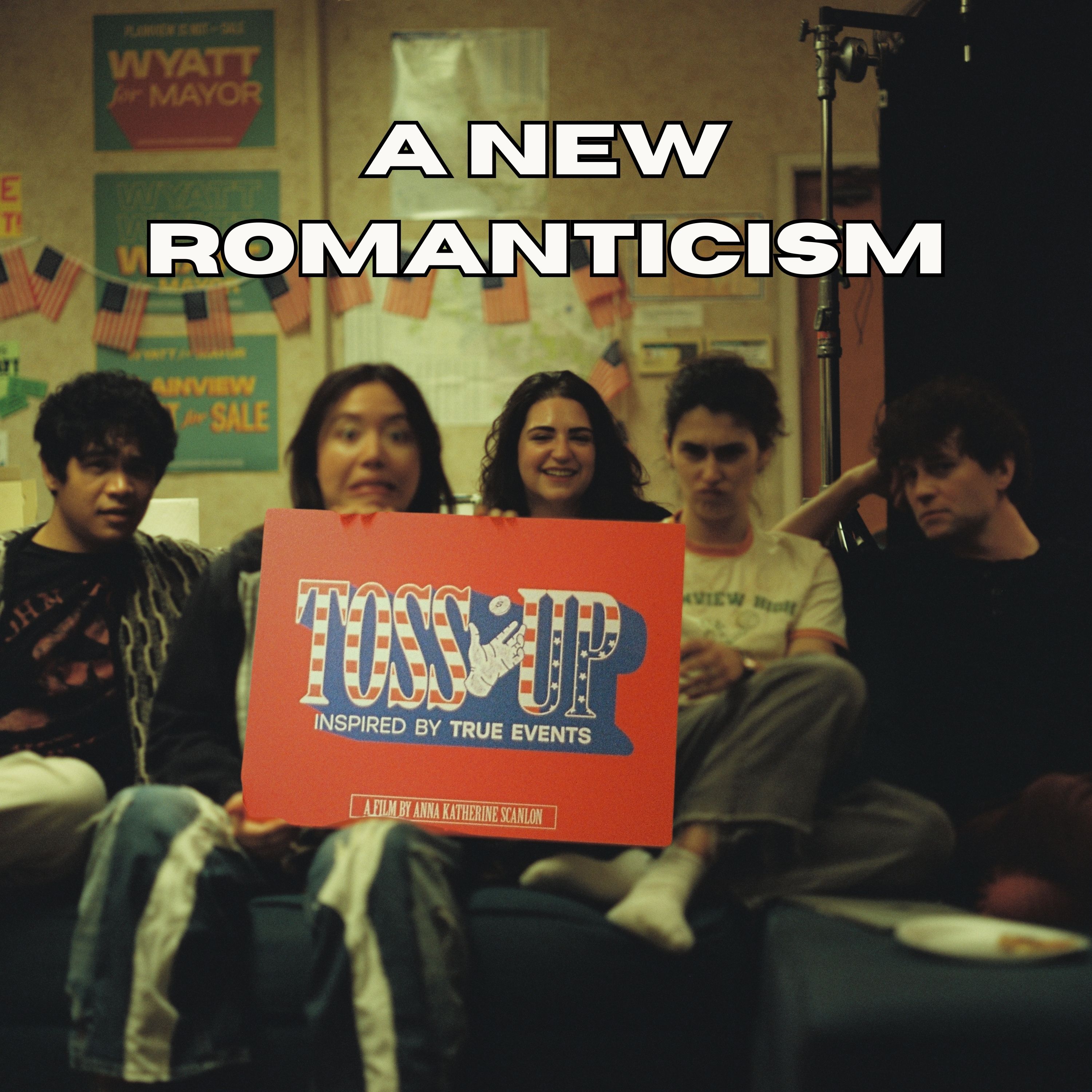
[00:33:56] Speaker C: Yeah, so I just. Just wrapped up the first short film that I wrote and directed. It's called Toss Up. And we're actually in the process now of submitting to film festivals, which is really exciting. It means that we can't really show it publicly until, you know, probably for like a year. But it is inspired by the true story of the first political campaign that I managed, which is pretty wild. Which. That campaign, basically, we won on election night by 11 votes, and then there was a recount, and then it was. We were up by one vote, and then a panel of Republican judges decided to count, like, a spoiled ballot for our opponent, who was a Republican, and then it was tied, and then we lost in a drawing of lots.
So it's pretty, in my opinion, raising corruption.
So I basically took that framework and adapted it into a story about a young woman who's very kind of aoc.
Zoran Mandani coded, who runs for mayor in a small town in California and loses under similar circumstances, but manages at the end to potentially take down the bad guy after the credits roll. And it was a really phenomenal process. I mean, it.
You know, we spent many months last year kind of pulling the whole team together. Producers, cast, crew.
So much help from so many friends and family. People like Patrick, who did so many things for the film, who's a. An extra with a name. I don't know. I always give, like, what's the line with the person that has like a title in the, in the credits. You're in the credits multiple times. You photos was in the movie. But you know, it was a labor of love pulling all together. We shot it in three days in mid December and then kind of went through.
[00:35:41] Speaker B: Incredible.
[00:35:42] Speaker C: Yeah, it was, it really, it was amazing I think how much we were able to pull off, which is just a testament to the team that we had. And, and everybody worked so hard and then we, we mad dashed to kind of finish up the edit and you know, all the post production stuff so that we could get it into some of the festivals that we have a goal for. So we submitted to our first kind of big bowl festival in February, which was Palm Springs. So now we're going to, you know, submit to a bunch more kind of over the next couple of months. But you know, it's that now it's really a waiting game. I mean the challenge of short films is you can make them for any reason and do anything with them. But for me, you know, my, my ultimate goal is to move into filmmaking professionally full time. And so, you know, what made the most sense for me with this film was trying to kind of get it on the festival circuit.
So that means, you know, it's a lot of submitting and then waiting for, you know, six months to a year.
So we're kind of in the waiting zone now. Got to press, you know, submit on a bunch of other festivals.
But you know, in the meantime it's, it's kind of on to other creative projects while I wait to see what, what happens. So it is fun to bring to bear my political experience because I had this moment where I wrote this line for the bad guy in the script, basically he sort of smacks down the protagonist and puts her in her place about like people like you never get elected because, you know, you're just a fucking normal, like poor person. Fuck off.
But more, more eloquent than that. But I wrote this line and then like a week after writing it, Stephen Miller, Trump's actually, I don't even know what his title is. He's like his Vader. Yeah, he's his Darth Vader. Exactly. He's like the guy responsible for all the worst ice stuff and total like Nazi.
He. After Charlie Kirk died, they had this big, you know, like idiocracy rally and he was speaking and he basically delivered verbatim a version of like the line that I had written in my screenplay for the villain.
So if you look on my substack you can see the. The details on that. But, yeah, it was pretty. It made me feel like my finger was quite on the pulse, so that was nice.
[00:37:58] Speaker D: I love the Looney Tunes. Gif Jif.
[00:38:01] Speaker C: Oh, I know. Ridiculous.
I felt totally.
[00:38:05] Speaker B: I love how. I think everything I've read of yours is sourced from your lived experience.
You know, I don't think we'll have time, but I was looking at the part in one of your substacks about ideas, plans and strategies.
[00:38:18] Speaker D: Yeah.
[00:38:19] Speaker B: And a lot of people have that heart, focus, but no capacity to organize it into ideas, plans and strategies.
[00:38:27] Speaker C: You know, my day job, I'm. I'm basically a strategist and, you know, managing political campaigns, which is what I used to do, is basically just, you know, kind of the ultimate contained thing where you can, you know, execute a strategy because it's like, what's the goal we got to win? How do we do that? Work backwards from that?
But I think that most people don't have experiences like, you know, the ones that I've had working in politics. It's kind of an unusual thing to do.
And so I think that any, you know, type of thing that you can give yourself to gain that kind of experience, even if it's not working in politics, like just having some, you know, tangible goal that requires identifying what that goal is and working backwards from it, particularly if it's in like a, you know, not just an isolated individual setting, but in a team setting, which is really what, you know, filmmaking is. Is, you know, if your goals are. Are as a. As a filmmaker, that sort of collaborative part of it, I think is really important. So I don't know what those would be. I mean, I think there's like, you know, whether it's intramural sports or some kind of stuff and, you know, like, I don't know, in the working world, business, what have you even. It's just like, hobbies. I think that it's always good in my experience to learn sort of tactics and strategies from other walks of life that you can then bring over to the work that you're trying to do. Because sometimes if you're, you know, you're like, what's my strategy to become a director?
You can get so kind of overwhelmed with everything in that that it's hard to kind of draw the lessons that you need to draw. So I'm excited for your journey, though.
[00:40:01] Speaker D: Like I said, I'm the least cinephileic person you could ever meet. And so I think I'm. I'm excited to see your work when it comes out.
[00:40:09] Speaker B: And.
[00:40:10] Speaker D: Yeah, thanks.
[00:40:11] Speaker C: Well, thank you so much for having me. You should definitely watch Pride and Prejudice and.
Yeah, you'll love it. And Patrick, thanks so much for, for having me here. And also just for, you know, all of the support you've given a toss up. And also just, you know, the friendship over the years. I mean, you've been someone that's really inspired me in all the work that you do and your kindness and generosity and, you know, Patrick is one of the best people in my whole kind of personal network in terms of like creative feedback and it's really a gift. So I'm really grateful for your friendship and for having me here. It's been really fun.
[00:40:47] Speaker B: Thank you so much, Anna. And never hesitate if you have any bit of hope that you can incept into us about what's going on electorally during this madness.
You know, I'll be reading your substack, obviously, and your, you know, posts and whatnot. But God, I mean, we were stoked about Mom Donnie, but yeah, I know.
[00:41:06] Speaker C: I'll give you. Yeah, we can end on a hopeful note. I mean, here's my thing is like, people ask me that all the time. It's like, you know, you work in politics, tell me it's all going to be okay. And I'm like, I don't know if it's all going to be okay. I don't know that. You know, that's my whole thing is like, we don't know. But I will say that how horribly catastrophic the Trump administration has been to this point and how much the economy is and how much the whole, like, doing Nazi Germany in America right now thing is not working to, you know, it's not giving the Trump voters what they wanted, which was, you know, economic security combined with the rise of people like Sauron, people like Graham Platner, who I think is really exciting, frankly, and then seeing AOC be over there in Munich kind of auditioning herself to run president and how violently pissed off the like, Karen Wine moms of the Democratic Party are now, which is a huge departure from like two years ago.
Like, the existence of Jennifer Welch is extremely inspiring.
[00:42:04] Speaker B: I saw that you're following her the other day and I love her.
[00:42:08] Speaker C: Yeah, I love her. The fact that her and Hasan Piker like homies now. I'm like, this is real. There's hope. There is hope that in 2028, you know, 2020, I think obviously is going to be like the most wide open.
Who the fuck knows what's going to happen.
Exciting and impactful presidential, you know, primary on the Democratic side, like, probably ever, certainly in my lifetime. And, you know, I think looking back now, having worked for Bernie in 2020 and 2016, was that ever going to happen? No. But I think the seeds were planted for a real possible future in 2028 where we could actually elect, you know, an FDR of the 21st century. I don't know. A girl can dream. So we'll see what happens. But join dsa, whatever, other types of, you know, ways to get involved in your community. That's the best way to find hope, I think, is to find ways to actually, you know, fight back and be invested in the community around you.